
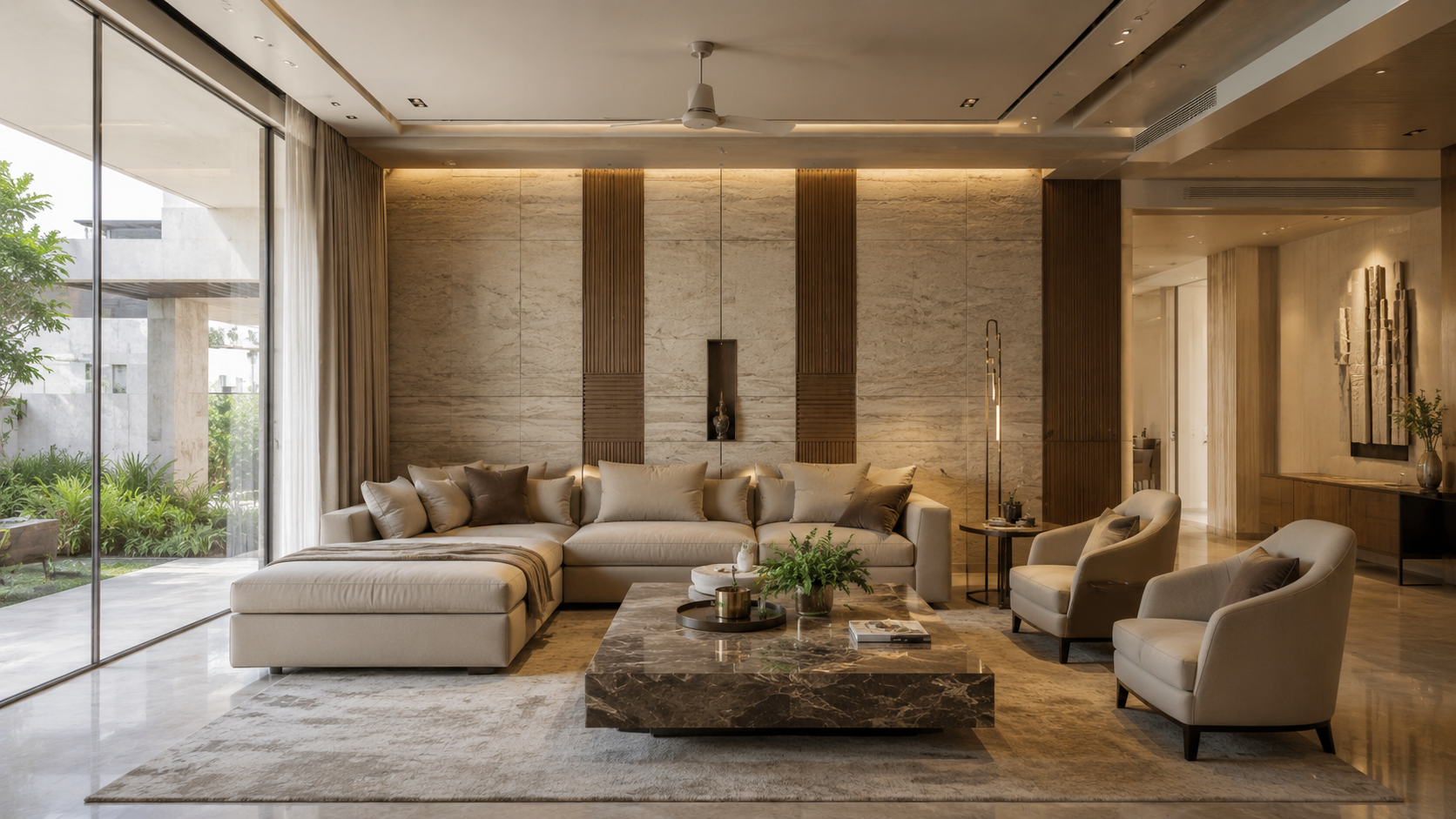
Most homeowners in Ahmedabad spend months planning their dream home. They compare materials, save inspiration photos, visit showrooms, and carefully select finishes. By the time the project is complete, everything looks beautiful.
But the real test of interior design does not happen on possession day. It happens after you move in.
That is when daily life starts exposing the small flaws that were easy to overlook during the design phase. A kitchen that looked stunning may feel inconvenient to use. A living room may look spacious in photographs but feel cramped in reality. Storage that seemed sufficient may fill up within months.
As interior designers in Ahmedabad, we often hear homeowners talk about regrets they only discovered after living in their homes for some time. Here are some of the most common interior design mistakes that reveal themselves only after moving in.
13 Interior Design Mistakes Homeowners Only Notice After Moving In
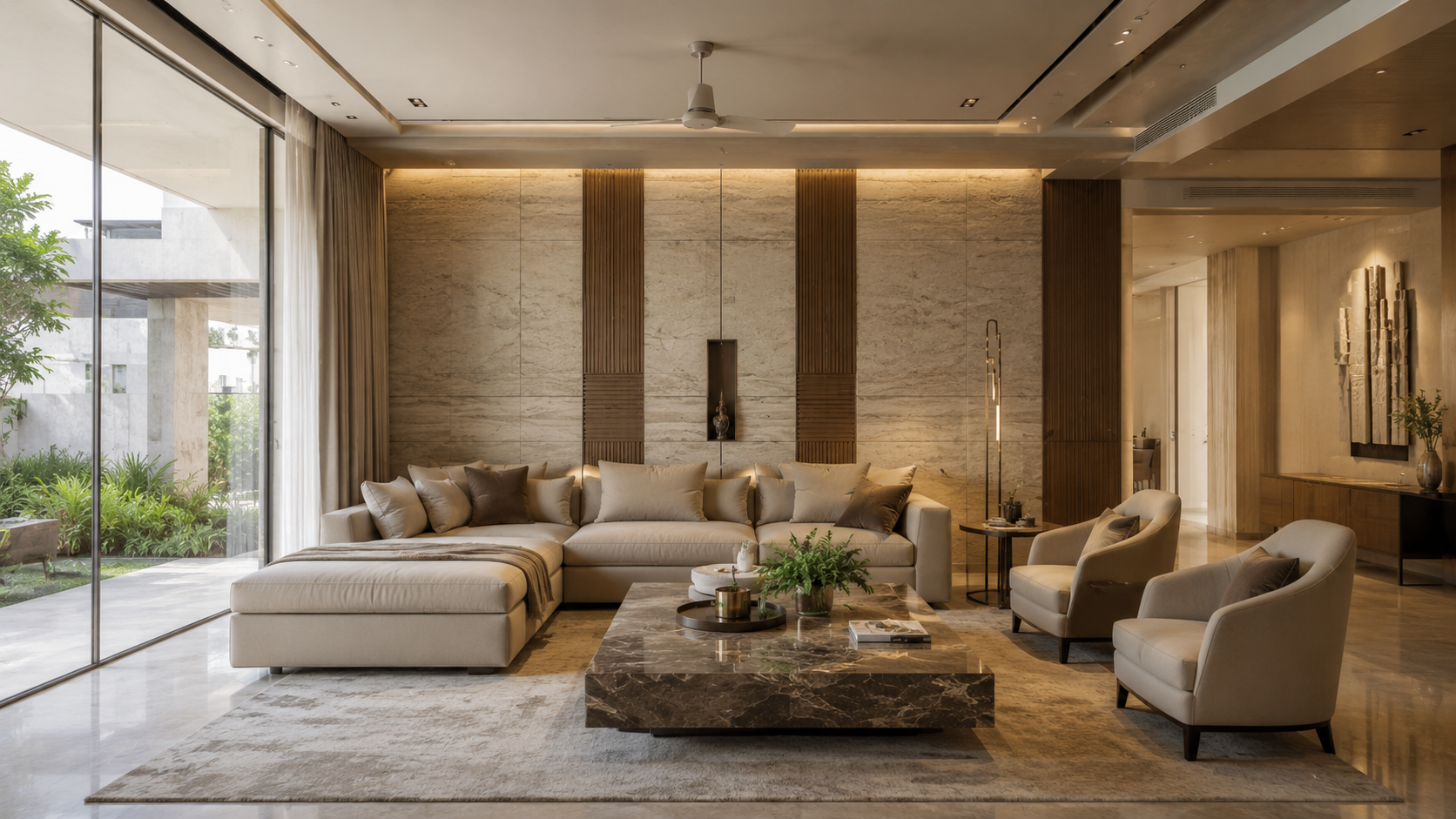
1. Not Having Enough Storage Space
Storage always looks sufficient when a home is empty.
A wardrobe feels large. Kitchen cabinets seem endless. Utility spaces appear more than adequate. Then real life begins.
Seasonal clothes, luggage, extra bedding, festive decorations, household supplies, and everyday items slowly start filling every available corner. Before long, surfaces become cluttered and rooms lose the clean appearance they had when the home was first handed over.
Good interior design is not about fitting storage wherever possible. It is about understanding how a family lives and planning storage accordingly.
2. Poor Lighting Planning
Lighting is one of the most underestimated parts of interior design.
Many homes rely heavily on ceiling lights because they seem enough during site visits. But once people start living in the space, they realize that different activities require different types of lighting.
Reading in bed becomes uncomfortable. Kitchen work areas feel dim. Living rooms lack warmth during evenings. The best homes use layered lighting. General lighting, task lighting, and mood lighting work together to create comfort throughout the day.
When lighting is planned properly, a home feels more inviting without anyone being able to immediately explain why.
3. Too Few Electrical Points
This mistake appears surprisingly often. During planning, homeowners focus on furniture layouts and finishes. Electrical points become an afterthought.
After moving in, extension boards begin appearing everywhere. Charging phones becomes inconvenient. Appliances compete for the same sockets.
Modern homes require far more electrical points than most people expect. Between mobile devices, laptops, televisions, appliances, smart home products, and future upgrades, electrical planning should always look ahead rather than only addressing current needs.
4. Choosing Materials That Are Difficult to Maintain
Some materials look incredible in a showroom. They photograph beautifully and instantly create a luxurious impression. The problem starts when they need daily maintenance.
Glossy finishes show fingerprints. Certain natural stones require frequent care. Dark surfaces reveal every layer of dust. Highly textured materials become difficult to clean.
A beautiful home should not become a maintenance project. The best material choices balance appearance with practicality.
5. Furniture That Is Too Large for the Space
Furniture often looks smaller inside a showroom than it does inside a home. A large sofa may seem luxurious during selection. A grand dining table may feel impressive on paper. After installation, movement becomes difficult. Rooms feel crowded. Circulation paths disappear.
Luxury is not about filling every corner with furniture. Luxury often comes from having enough breathing room between pieces. A well-planned space feels comfortable because movement feels effortless.
6. Not Designing Around Daily Habits
Many homes are designed around appearances rather than routines. Everything looks perfect until daily life begins.
There is nowhere convenient to keep shoes near the entrance. Keys and bags end up on random surfaces. Frequently used kitchen items are stored too far away from work areas. Good design should support everyday habits. When a home is planned around the way people actually live, small daily frustrations disappear.
7. Lack of Ventilation
Ventilation is easy to overlook because it cannot be captured in a design rendering. Yet it affects comfort every single day. Poor airflow can make rooms feel stuffy. Certain spaces may develop moisture issues. Air conditioning usage increases because natural ventilation is not sufficient.
A beautiful room loses much of its appeal if it never feels fresh. The most comfortable homes pay attention to airflow from the beginning of the design process.
8. Ignoring Acoustics
Many homeowners only notice acoustic problems after moving in.
Large open spaces, hard surfaces, and minimal soft furnishings can create excessive echoes. Noise travels easily between rooms. Conversations become less private.
This became even more important with the rise of work-from-home lifestyles. Acoustics may not be the first thing people think about when designing a home, but they have a significant impact on comfort.
9. Following Trends Too Closely
Trends can be useful for inspiration. The problem arises when an entire home is designed around what is currently fashionable.
Certain colors, finishes, and design elements can feel exciting today but outdated a few years later. Homeowners then face expensive renovations simply to refresh the look of their interiors.
Timeless design usually ages better than trend-driven design. The goal should be creating a home that still feels relevant ten years from now.
10. Poor Kitchen Planning
The kitchen is one of the hardest-working spaces in any home. That is why kitchen mistakes become obvious very quickly.
Countertop space may be insufficient. Appliances may be positioned awkwardly. Storage may not align with cooking habits.
A kitchen can look beautiful in photographs and still be frustrating to use every day. The best kitchens are designed around workflow rather than aesthetics alone.
11. Not Thinking About Cleaning and Maintenance
Some design features look impressive during handover. Months later, they become a source of frustration.
Decorative grooves collect dust. Hard-to-reach corners become difficult to clean. Certain bathroom details require constant maintenance.
Every design decision should answer a simple question. How easy will this be to maintain five years from now? Homes that remain beautiful over time are usually the ones that were designed with maintenance in mind from the beginning.
12. Ignoring Ahmedabad's Climate
A design that works perfectly in one city may not perform as well in Ahmedabad. The city's heat, sunlight, and dust influence how a home feels and functions throughout the year.
Large west-facing windows can increase heat gain significantly. Some materials show dust more quickly. Certain fabrics may require more maintenance than homeowners expect.
Climate-responsive design is often overlooked because it is less visible than furniture or finishes. However, it has a major impact on comfort, energy efficiency, and long-term maintenance. A home should be designed for the environment it exists in, not just for photographs.
13. Not Planning for Future Needs
Many homeowners design their home around their current lifestyle. The challenge is that lifestyles change.
Families grow. Children need study areas. Remote work becomes permanent. Storage requirements increase. Technology evolves. A home should be flexible enough to adapt over time.
The most successful interior projects are the ones that continue working well years after completion.
Final Thoughts
Most interior design mistakes are not obvious during construction or handover. They only become visible once everyday life begins.
That is why good interior design is not just about aesthetics. It is about creating a home that supports comfort, convenience, and functionality for years to come.
For homeowners in Ahmedabad, thoughtful planning before construction begins can prevent many of these common regrets. A home that works beautifully in daily life will always be more valuable than one that simply looks impressive on day one.
Planning a New Home in Ahmedabad?
The best time to avoid these mistakes is before construction and interior work begin. A well-planned home not only looks beautiful on possession day, but continues to function effortlessly for years afterward.
If you're building or renovating a home in Ahmedabad, our team can help you create an interior that balances aesthetics, functionality, and long-term comfort. From space planning and material selection to lighting, storage, and custom furniture design, every decision is made with real-life living in mind.
Book a consultation today and let's design a home you'll love living in, not just looking at.